
Introduction
Driving an electric vehicle like the Chevy Bolt is a significant step towards environmental sustainability. The question ‘how long does it take to charge a Chevy Bolt?’ frequently arises among new and prospective EV owners. Charging times can vary based on several factors, including the type of charger and the battery’s initial state of charge. Understanding these differences is crucial to planning your vehicle’s downtime and maximizing its efficiency.
Understanding the Chevy Bolt
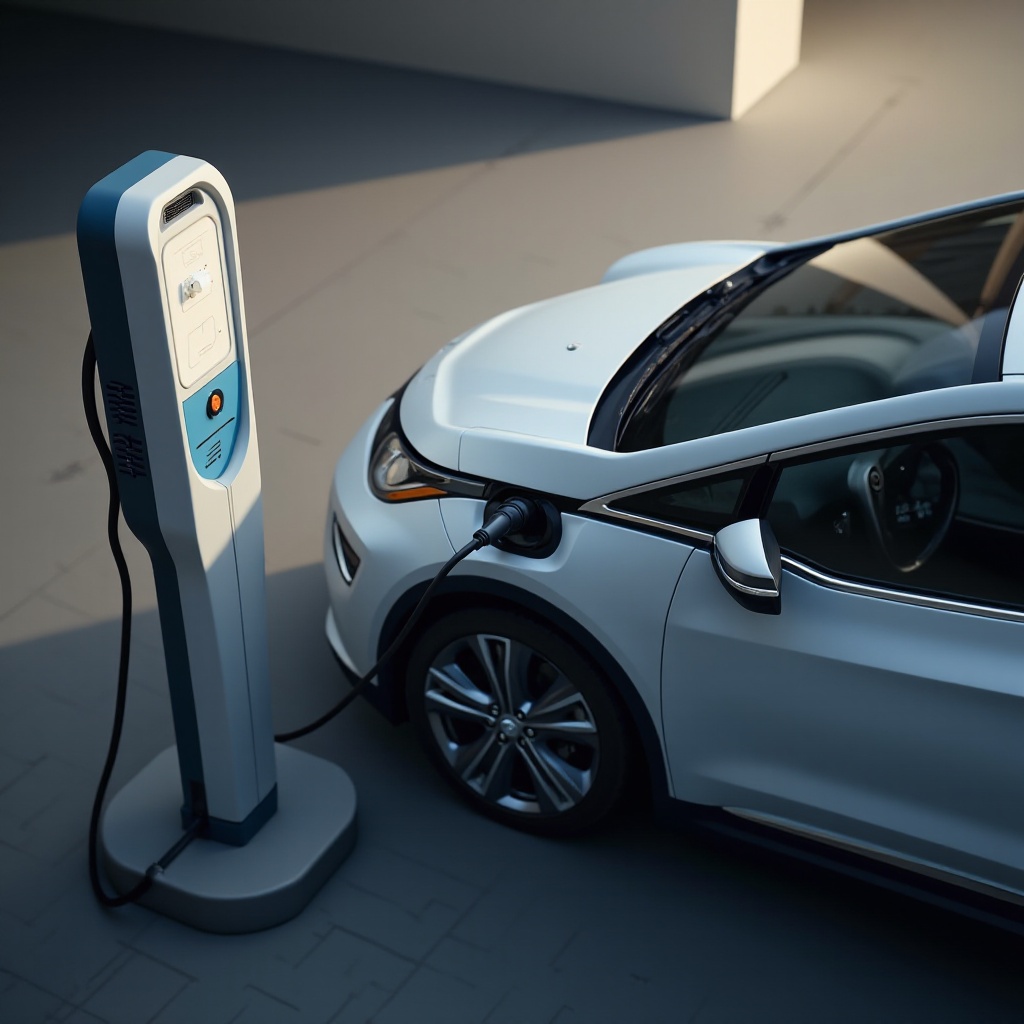
The Chevy Bolt is a fully electric vehicle (EV) offered by Chevrolet. It has gained popularity for its impressive range, affordable price, and modern features. Equipped with a 66 kWh lithium-ion battery, the Bolt offers an estimated driving range of 259 miles on a full charge, making it practical for daily commuting and road trips.
The Bolt’s user-friendly features simplify the charging process as it supports various charging options, providing flexibility depending on your lifestyle and convenience. Understanding these options is essential for efficient EV usage.
Types of Charging Options for the Chevy Bolt
The Chevy Bolt can be charged using three different levels of charging options. Knowing these options will help you decide which one best suits your needs and where you can access these charging stations.
- Level 1 Charging (120-volt charging): This is the most basic form, using a standard household power outlet. While it’s the slowest method, it doesn’t require any additional installation.
- Level 2 Charging (240-volt charging): Ideal for home installations via a dedicated unit or at public charging stations. It offers faster charging than Level 1.
- DC Fast Charging: This rapid charging method is available only at specific public stations, ideal for quick recharges when you’re on the go.
Charging Times at Different Levels
Level 1 Charging: Home Outlet
Level 1 charging uses a standard 120-volt household outlet. While no additional investment or installation is required, it is the slowest method.
- The Chevy Bolt gains about 4 miles of range per hour of charging.
- Charging from empty to full can take up to 50 hours.
This method is suitable for drivers who do not use their vehicle extensively every day and can afford the longer charging time.
Level 2 Charging: Home Installation and Public Stations
Level 2 charging requires a 240-volt outlet, similar to a home dryer outlet. Significantly faster than Level 1, it’s often installed at home for convenient overnight charging.
- The Chevy Bolt typically gains about 25 miles of range per hour of charging.
- Charging from empty to full takes about 9.5 hours.
Ideal for daily use, Level 2 ensures your vehicle is fully charged overnight and ready for the next day. Public Level 2 stations offer flexibility for top-ups away from home.
DC Fast Charging: Public Stations
DC Fast Charging is the quickest way to charge a Chevy Bolt, perfect for long trips or quick recharges. Available at specific public stations:
- The Chevy Bolt can gain up to 100 miles of range in about 30 minutes.
- Charging to about 80% takes approximately 1 hour, as the charging rate slows after 80% to prevent battery degradation.
DC Fast Charging is invaluable for extending range during long trips, minimizing road downtime.
Factors that Affect Charging Times
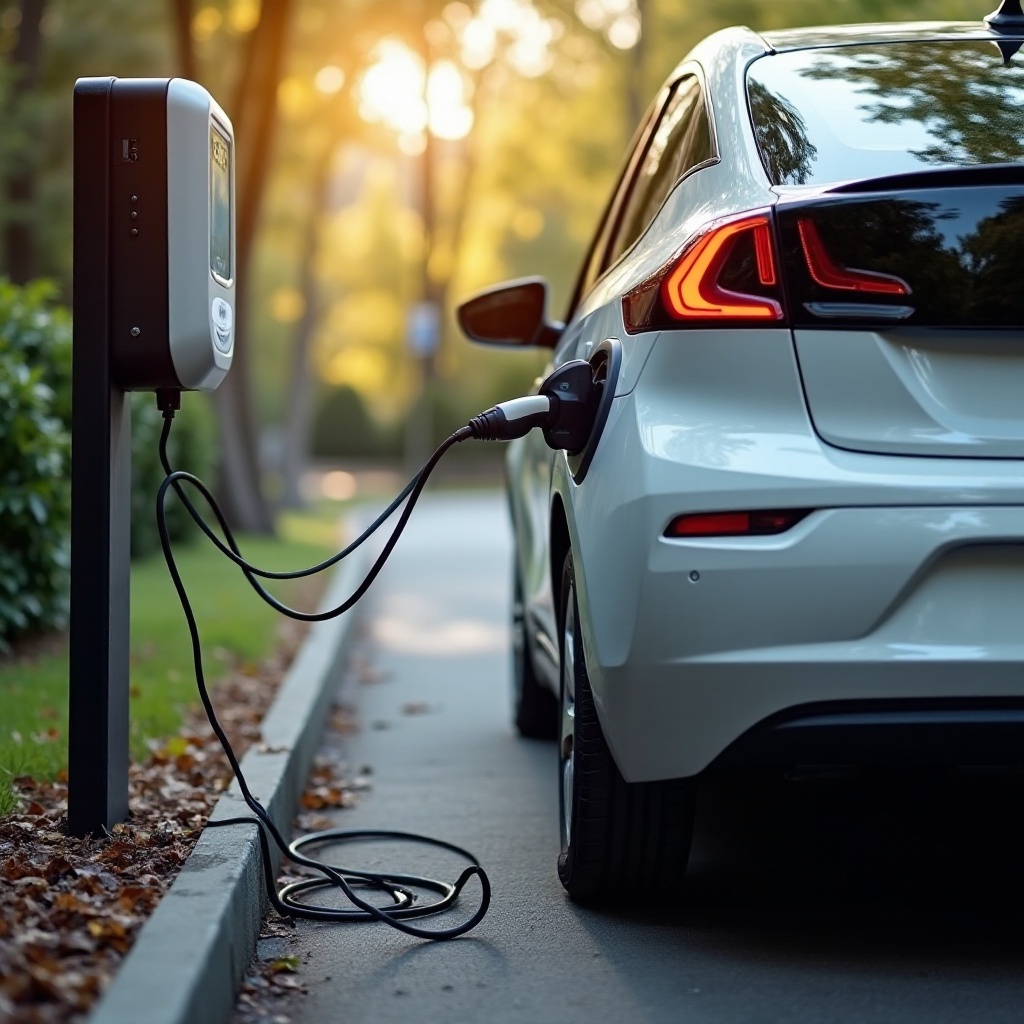
Charging times for the Chevy Bolt can vary based on several factors. Understanding these factors helps in better anticipating and managing EV charging needs:
- Battery State of Charge: A partially depleted battery takes less time to charge than one that is fully depleted.
- Temperature: Extreme temperatures can affect charging efficiency. Cold temperatures may slower charging rates.
- Charger Capacity: The maximum charging rate supported impacts recharging speed.
- Battery Health: Over time, battery efficiency can degrade, resulting in longer charging times.
- Usage Patterns: Frequent short trips with regular top-ups impact charging patterns differently than longer, less frequent sessions.
Learning these elements will enable you to plan and optimize your vehicle’s charging.
Tips for Efficient Charging
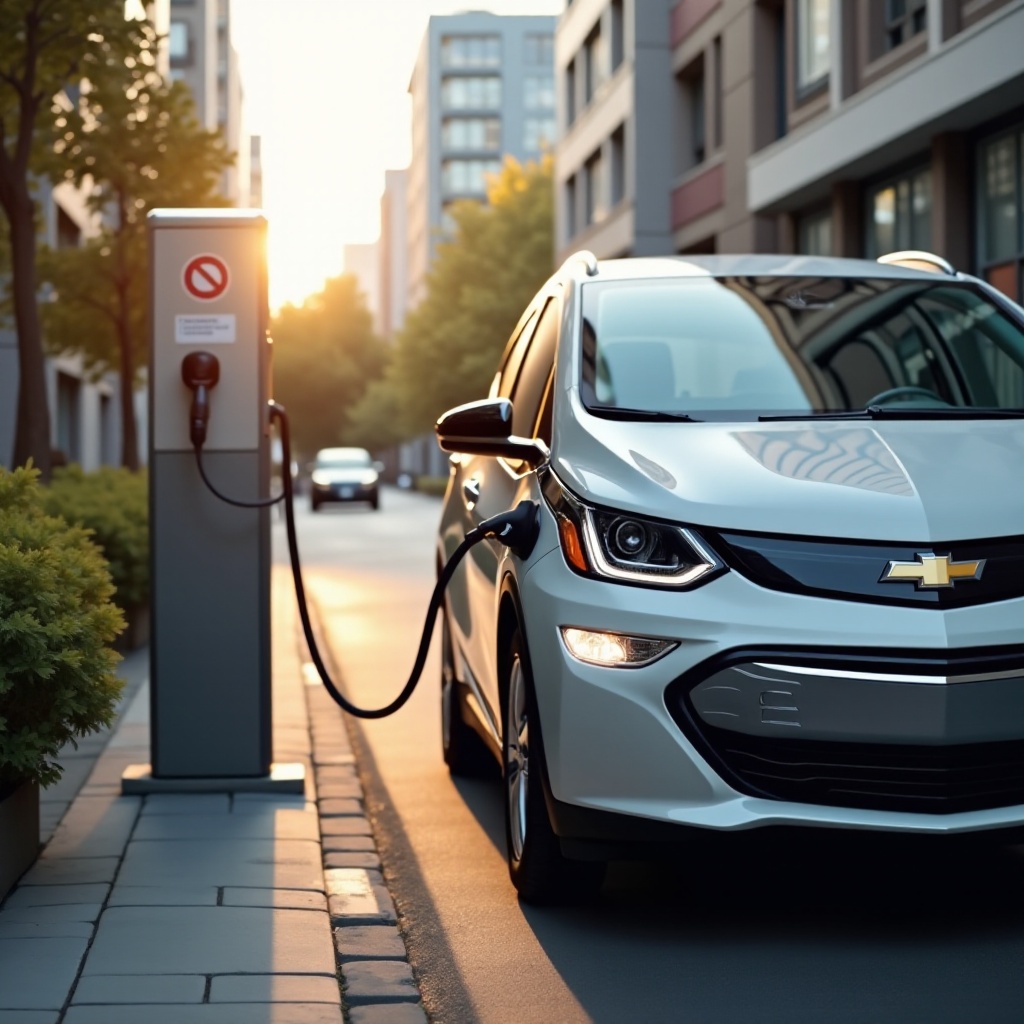
Efficient charging habits can extend your Chevy Bolt’s battery life and reduce maintenance costs. Here are some practical tips:
- Install a Level 2 Charger at Home: For quick and convenient overnight charging.
- Utilize Scheduled Charging: Charge during off-peak times when rates may be lower.
- Keep Battery Between 20% to 80%: Maintaining charge within this range helps prolong battery life.
- Take Advantage of Public Networks: Find reliable stations and plan trips to access fast chargers as needed.
These tips can help you maintain your Chevy Bolt’s battery health.
Conclusion
Charging your Chevy Bolt doesn’t have to be complicated. Understanding the different levels of charging, factors affecting charge time, and best charging practices ensures your EV is always road-ready. Charging needs and routines vary per individual, so find what works best for you and your Bolt.
Frequently Asked Questions
How can I maximize the battery life of my Chevy Bolt?
Keep the charge level between 20% and 80%, avoid extreme temperatures, and use scheduled charging to optimize times and rates.
Can weather conditions affect the charging time of my Chevy Bolt?
Yes, extreme weather can impact charging efficiency. Cold weather might result in longer charging times.
Is it safe to use public charging stations for my Chevy Bolt?
Yes, public charging stations are safe for your Chevy Bolt. Ensure station compatibility with your vehicle and monitor the charging process.