
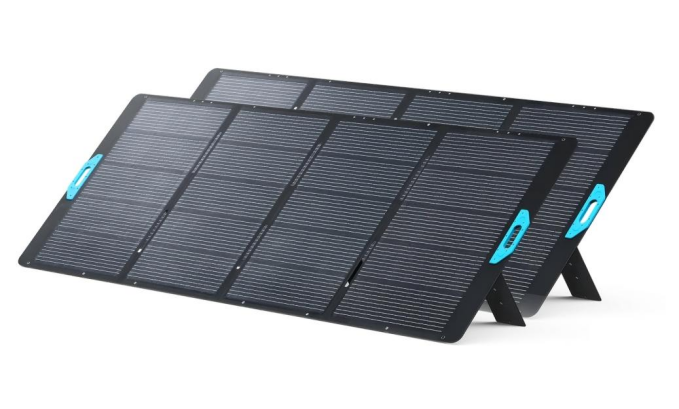
Home solar panels generate clean electricity, but their performance is not constant. Several conditions can reduce how much energy a system produces, even when the equipment works perfectly. Sunlight variations, temperature changes, rooftop characteristics, and daily shading patterns all influence results. Understanding these conditions helps homeowners set realistic expectations and adjust their routines for better long-term performance. Portable accessories such as the Anker SOLIX PS400 Portable Solar Panel also make these factors easier to see in real time because they show how angle, placement, and environment affect output. When you recognize what limits production, you make more informed decisions and get more value from your system.
Environmental Conditions That Restrict Solar Performance
Weather Patterns That Reduce Direct Sunlight
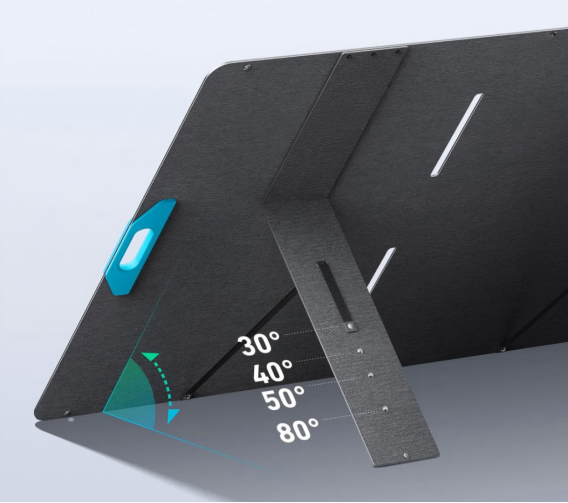
Weather affects solar output more than most homeowners expect. Thick cloud layers, fog, heavy haze, and storms all reduce the amount of direct sunlight reaching the panels. While modern systems still produce energy under diffused light, the reduction is noticeable. Homeowners in coastal or humid regions often experience frequent morning fog, which delays the daily production peak. Seasonal monsoons or long winter overcast periods also cut total daily output. Portable tools like the Anker SOLIX PS400 make this visible—when clouds pass overhead, the panel’s performance drops immediately. With four adjustable tilt angles, users can still capture available light efficiently, but the weather remains a key factor. This awareness helps homeowners plan energy-heavy tasks on clearer days.
High Temperatures That Reduce Efficiency
Heat might seem helpful for solar panels, but the opposite is true. Solar cells convert sunlight—not temperature—into power, and they lose efficiency as they get hotter. Rooftops that trap heat or lack airflow amplify this effect. During summer afternoons, panels can run significantly hotter than the ambient air, reducing total output even on clear days. Homeowners may notice stronger energy production in cool, sunny spring weather compared with very hot midsummer conditions. The PS400 highlights this pattern as well; when placed on a surface with good airflow, its monocrystalline cells maintain stronger output. This demonstrates why installation orientation, roof ventilation, and strategic placement matter. Understanding this limitation encourages homeowners to avoid assuming that “more heat equals more electricity.”
Environmental Debris That Blocks Sunlight
Any layer—dust, pollen, bird droppings, leaves, or pollution residue—cuts the amount of sunlight a panel can absorb. Even a partially shaded spot caused by debris can reduce total system output because of how solar strings operate. Homeowners near forests, farms, or high-pollution cities experience faster buildup and need more frequent light cleaning for optimal performance. Portable panels like the PS400 make this impact easier to observe: wiping the surface instantly restores output. The PS400’s IP67 waterproof rating helps users feel confident using it outdoors, but it still demonstrates how a clean surface yields better results. When homeowners recognize that debris accumulation reduces efficiency, they adopt a simple maintenance routine that significantly improves long-term performance.
Location Factors That Limit Solar Output
Roof Orientation and Tilt That Don’t Align With the Sun
A rooftop that faces the wrong direction can reduce total solar production. South-facing installations typically deliver the highest average output in many regions, while east- or west-facing arrays produce less. Flat roofs may underperform without proper tilt adjustments. Solar installers consider local latitude, seasonal angle changes, and shading patterns to find the best alignment. Portable panels like the PS400 make angle sensitivity obvious. When users shift between its 30°, 40°, 50°, and 80° settings, power output changes immediately. This hands-on experience shows why rooftop orientation matters. When homeowners understand these principles, they appreciate why placement decisions influence performance and why some installations generate more energy than others.
Shading From Trees, Chimneys, and Nearby Buildings
Shading is one of the most common—and most underestimated—reasons panels solar home systems underperform. A single branch shadow or obstruction can reduce output across an entire string of panels. Shading also changes throughout the day and year, making it difficult for homeowners to notice without monitoring tools. Tree growth over time can also introduce new shading that didn’t exist at installation. Portable solar panels demonstrate shading sensitivity clearly: when part of the PS400 is shaded, wattage drops immediately. This visual feedback helps homeowners understand how rooftop systems behave. Awareness leads to better long-term management, such as trimming branches or evaluating rooftop obstructions before installation.
Roof Age, Strength, and Surface Material
A roof in poor condition or one made from less compatible materials can restrict panel placement. Installers may avoid weak areas, reduce the number of panels, or change mounting methods. Some roofing materials—such as aging asphalt shingles—can deteriorate faster beneath solar arrays if not assessed properly. These structural limitations influence how much capacity a home can install and where panels fit. Homeowners rarely consider roof characteristics until planning solar, but they become key constraints that shape system design. Portable solutions like the PS400 provide flexibility during these limitations, offering supplemental power when the rooftop area is restricted. This connection helps homeowners understand why structural design matters for long-term performance.
Conclusion
Home solar panel effectiveness depends on far more than equipment quality. Weather shifts, heat, shading, roof design, and environmental debris all play direct roles in how much electricity a system produces. Recognizing these conditions gives homeowners more control over energy planning and helps set realistic expectations year-round. Tools like the Anker SOLIX PS400 Portable Solar Panel make these factors easier to understand because users can experiment with angle, placement, and sunlight exposure to see how output changes instantly. By learning how environmental and structural conditions influence production, homeowners become better equipped to maintain efficiency, adjust habits, and get the most from their investment in clean energy.