
Homeowners today strive for reliable, cost-effective, and sustainable energy solutions. Amid frequent power outages and increasing energy costs, home power battery backup systems have emerged as an ideal option. These systems store energy for later use, ensuring that your home remains powered even when the grid fails. By integrating battery backups, you can reduce dependence on traditional energy sources, lower your electricity bills, and contribute positively to the environment. This blog explores the core benefits of home battery backup systems and the key features to consider when choosing one for your home.
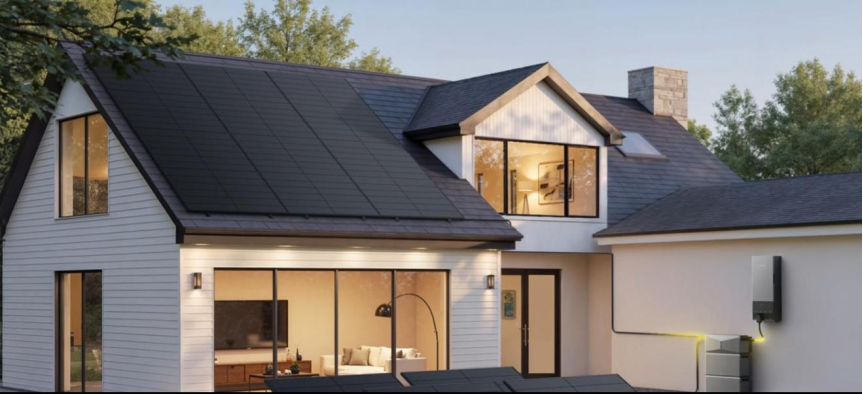
Core Benefits of Home Battery Backup Systems
Reliable Power During Outages and Emergencies
Home battery backup systems ensure you always have power, even during outages and emergencies. These systems store energy and seamlessly switch to battery power when the grid fails. During a power cut, a connected battery gives you immediate access to stored electricity, keeping lights, appliances, and essential equipment running smoothly. With reliable power on hand, homeowners can stay comfortable and safe during disruptions. No longer do you have to worry about spoiled food, interrupted work, or compromised safety measures when electricity goes out. Having a robust battery backup allows homes to operate independently, bridging the gap during utility failures with ease.
Energy Cost Savings and Smarter Electricity Use
Battery backups optimize electricity usage, enabling smarter energy consumption and cost savings. By storing energy during off-peak hours when rates are lower, homeowners can shift usage from the costly peak hours to more affordable times. This load shifting reduces monthly utility bills significantly. Furthermore, battery systems paired with solar panels store excess solar energy for future use, maximizing free renewable resources. Through intelligent energy management, users enjoy efficient consumption, leading to lower costs. You have the power in your hands to control and schedule your energy use, making financial savings a reality.
Energy Independence and Grid Resilience for Homeowners
Achieving energy independence becomes attainable with home battery backup systems. These systems lessen reliance on traditional grid power by creating self-sustaining energy ecosystems. Homeowners can produce, store, and manage electricity on their terms, resulting in annual savings while protecting against volatile grid issues. Enhanced grid resilience ensures homes remain operational and secure, even during widespread infrastructure failures. With battery systems, you can enjoy an autonomous power supply, reducing dependency on external energy sources and enhancing self-reliance and security while contributing to a sustainable future.
Key Features to Look for in a Modern Home Battery Backup
Battery Capacity, Scalability, and Whole-Home Coverage
The capacity of a battery backup dictates how much energy you can store and for how long you can sustain your home during outages. It’s crucial to select a system that offers scalability to expand its capacity as needed. Homeowners should aim for solutions that cover entire home needs seamlessly. Ensure that the chosen system can support high peak loads without compromising efficiency. Scalability allows adapting to changing power requirements over time, catering to growing energy demands from additional devices or lifestyle changes. Invest in systems that provide comprehensive coverage, addressing all parts of your household power needs.
Intelligent Energy Management and App-Based Monitoring
Modern backup systems feature intelligent energy management technology, enhancing efficiency, and automation. These systems come equipped with app-based monitoring platforms, providing real-time insights into energy consumption patterns and battery health. By accessing data via smartphones, users can optimize usage, track performance, and receive alerts about potential issues. You have control at your fingertips to manage energy wisely, ensuring your backup operates at peak efficiency. Look for systems that offer robust analytics and user-friendly interfaces for easy monitoring and management, helping make informed decisions for better energy performance and savings.
Safety, Durability, and Long-Term Performance Standards
Home battery backups must adhere to high safety and durability standards. Select systems constructed with robust materials, capable of withstanding fluctuating temperatures and physical stress without deterioration. Certification and warranty play a critical role, providing assurance on quality and reliability. The setup should guarantee long-term performance without compromising safety. Ensure that your choice supports sustained operations with minimal maintenance, offering peace of mind through extensive protection against electrical hazards. Investing in a system with a substantial warranty ensures ongoing reliable service, safeguarding your home and assets effectively.
Advanced Whole-Home Backup Solutions and Real-World Use Cases
Seamless Integration With Solar and Smart Home Systems
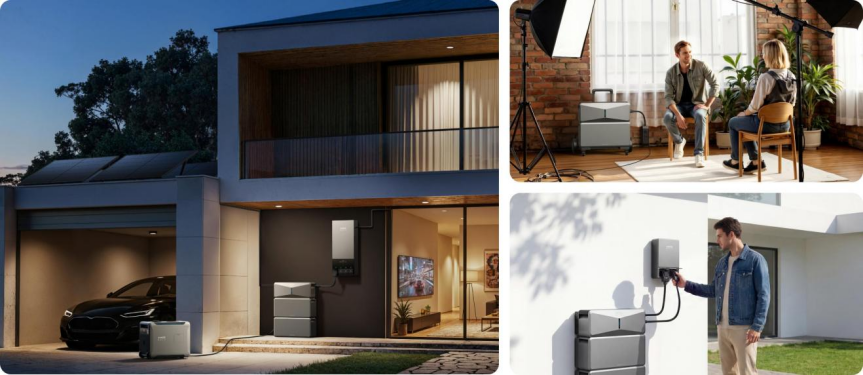
Advanced battery backup solutions effortlessly integrate with solar panels and smart home systems. Solar-compatible backups store surplus energy, empowering homes with renewable and eco-friendly electricity solutions. Coupling with smart home technology, such setups allow automated energy management, optimizing consumption across devices intelligently. These integrations facilitate a holistic energy strategy where homeowners can harness renewable sources and smart systems to maintain a balanced and efficient power supply. Aim for setups that align with existing or future home technology to elevate performance and energy savings significantly.
High-Power Output for Essential and Heavy Appliances
Opt for systems that provide high power output to support essential and heavy appliances. A quality backup should deliver adequate wattage, ensuring devices like refrigerators, heating systems, and medical equipment remain operational during outages. Systems must handle significant loads without performance dips. Check for configurations that offer robust output, allowing unhindered operation of large appliances. A powerful backup supports a seamless transition during emergencies, safeguarding comfort and utility effortlessly. Prioritize outputs that meet or exceed the energy demands of vital home components for optimal usage during disruptions.
Example: Anker SOLIX Whole-Home Backup Power Solution
Anker SOLIX E10 represents a leading whole-home backup solution. This system offers a maximum continuous output power of 7,680W with a split-phase rated voltage of 120/240 VAC. It can ramp up to a turbo backup output of 10,000W, supporting high-demand scenarios proficiently. Its impressive LRA equivalent ability spans from 120A to 275A depending on configuration, ensuring durability and performance. It includes AC and PV input capabilities, enabling seamless integration with solar panels. Anker SOLIX E10 stands resilient under varying conditions with NEMA TYPE 4/IP66 enclosure and a broad operating temperature range. Connectivity via Wi-Fi and Bluetooth ensures convenient monitoring and control. The device dimensions and weight facilitate easier installation without compromising robust performance, guaranteeing a reliable and efficient power solution for homeowners.
Conclusion
Home battery backup systems provide invaluable benefits by ensuring reliable power, offering financial savings, and promoting energy independence. With essential features such as robust capacity, intelligent management, and integrated safety measures, these systems prove indispensable. Advanced solutions like Anker SOLIX showcase high-power output, solar compatibility, and smart integration, elevating home energy management to new heights. As energy demands rise, investing in effective backup systems ensures stability, efficiency, and sustainability. Adopt battery backup solutions to secure electric reliability, economic benefits, and environmental sustainability for your home today.