
Storage capacity is one of the most defining elements of a solar generator, because it directly shapes how people use their system, how long they can stay off-grid, and how confidently they rely on stored energy during unexpected outages. Users quickly learn that capacity is not just a number on a specification sheet but a factor that determines routine behavior, charging strategy, device prioritization, and even overall peace of mind. A well-balanced system, such as the Anker SOLIX C1000 Gen 2 with a PS100 solar panel, shows how real-world usability expands when a generator offers both fast charging and a meaningful 1,024Wh storage reserve. Capacity influences when people use solar power, how much they use at once, and how often they feel the need to recharge.
How Capacity Influences Daily and Off-Grid Power Decisions
Larger Storage Reserves Encourage Users to Power More Devices
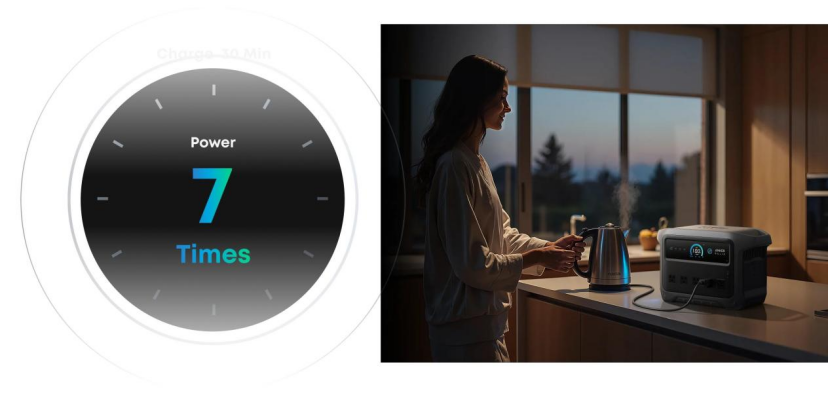
People think differently about their power habits when they have a meaningful amount of stored energy available. A mid-sized capacity such as 1,024Wh gives users enough room to run laptops, lights, fans, and small appliances without worrying about draining the battery too quickly. This confidence changes how they behave. They begin powering multiple devices at once, hosting outdoor movie nights, or using equipment longer than they originally planned. The C1000 Gen 2 also offers 2,000W output across 10 ports, which makes it easy to run several items simultaneously. When users feel they have enough reserve, they rely on the generator more often and in more creative ways.
Capacity Determines How Long Users Can Stay Off-Grid
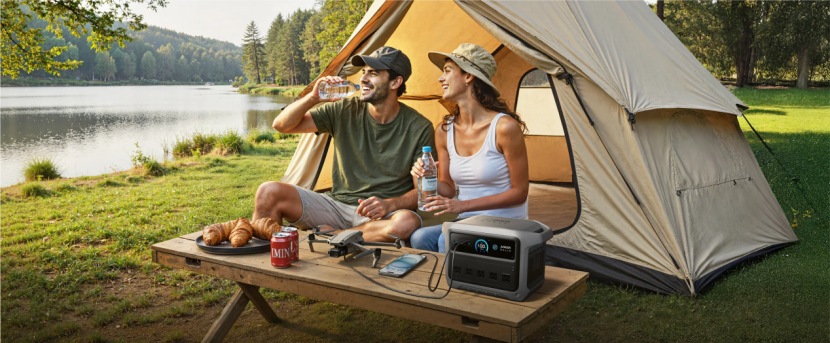
When people camp, travel, or work remotely in outdoor settings, storage capacity becomes the defining metric shaping their plans. A generator with too little capacity forces them to ration power or return to the grid sooner than they’d like. A system with a 1,024Wh reserve gives users a meaningful window of time—long enough for weekend trips, field work, or continuous device charging across a full day. The PS100 solar panel reinforces this autonomy by providing renewable replenishment at up to 23% conversion efficiency. Off-grid users quickly recognize that capacity is not only about power consumption but also about how much freedom they gain from the grid.
Emergency Preparedness Depends Strongly on Stored Energy
During outages, available storage becomes more important than peak wattage. Users need enough stored energy to run communication devices, lights, routers, small appliances, and essential tools. A capacity like 1,024Wh provides enough cushion to handle several hours of blackout support without panic. Combined with the C1000 Gen 2’s 10-ms UPS capability, the system maintains device operation automatically when grid power drops. When users experience their first extended outage with adequate stored energy on hand, they realize capacity shapes stress levels, decision-making, and overall confidence during unpredictable conditions.
Why Charging Speed and Efficiency Become Even More Important With Higher Capacity
Fast AC Recharging Makes Large Capacity Easier to Manage
When storage grows, recharging speed becomes a practical necessity. A large battery that takes many hours to refill becomes inconvenient, limiting how people use the system day to day. The C1000 Gen 2 avoids this issue through 49-minute HyperFlash recharging at 1,600W, enabled in the Anker app. This allows users to top up a substantial 1,024Wh quickly before storms, before leaving home, or after a heavy usage period. The perceived value of high capacity increases dramatically when the generator can return to 100% in under an hour.
Solar Input Efficiency Controls How Users Plan Outdoor Time
Storage capacity only becomes useful off-grid when users can refill it reliably. Solar efficiency shapes this relationship. A highly efficient panel such as the PS100 charges 1.5× faster than typical panels in similar conditions, helping users take advantage of partial sun, short breaks, or intermittent weather. This increases the practical value of the stored energy because users can restore it regularly instead of relying solely on AC power. Over time, users adopt a natural rhythm: use stored energy during active periods and replenish it whenever sunlight permits. Capacity and efficiency function as two sides of the same off-grid strategy.
The Relationship Between Usage and Recharging Forms Long-Term Habits
As users adapt to their best solar generator, they develop habits based on how long the stored energy lasts and how quickly they can recover it. Some begin charging in the morning to prepare for evening activities. Others rely on the generator for daily desk setups or outdoor projects, using solar input to offset their consumption. Because the C1000 Gen 2 remains compact and portable, users often move it around the home, which further encourages regular use. Storage capacity plays a central role in shaping these patterns because it determines how confidently users incorporate the generator into their lifestyle.
Conclusion
Storage capacity shapes nearly every aspect of how people use a solar generator. It defines how many devices they power, how long they remain off-grid, and how secure they feel during outages. It also influences the routines they build—when they recharge, how they ration or expand usage, and how they integrate renewable energy into daily life. The Anker SOLIX C1000 Gen 2 with its PS100 solar panel offers a practical balance of 1,024Wh capacity, fast AC recharging, efficient solar recovery, and compact portability, making stored energy both accessible and easy to manage. When users understand how capacity drives real-world behavior, they gain a clearer sense of how a solar generator can support both everyday convenience and long-term resilience.